Do You Still Need Antivirus Software in 2026?
By Marcus Hale · · 7 min read
For most people in 2026, the short answer is: the protection already built into your devices is genuinely good, and you probably do not need to buy a separate antivirus to stay safe. What matters far more than which app you run is how you behave online — because most modern attacks target you, not your software.
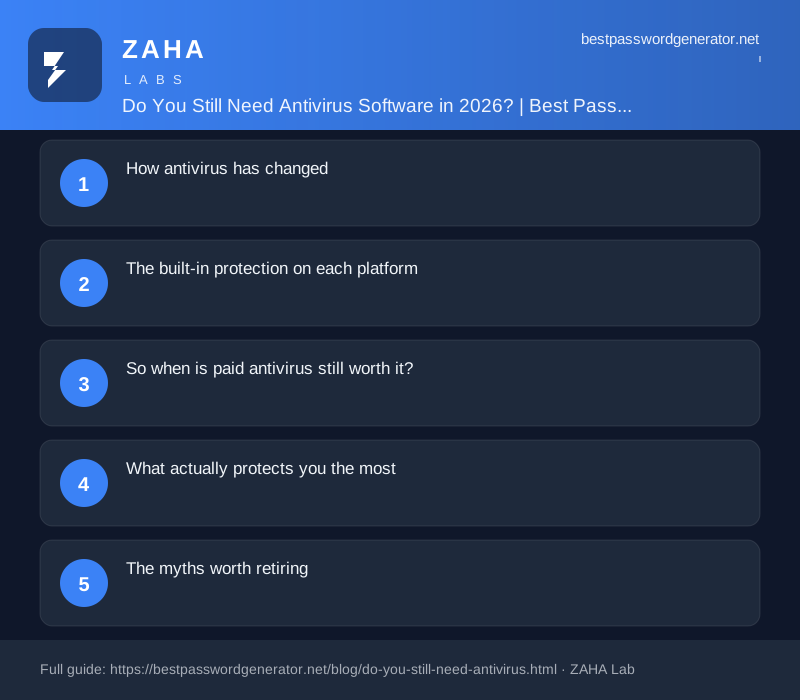
How antivirus has changed
Antivirus used to be a must-have add-on that scanned files against a list of known threats. Today, that capability is baked into the operating systems most of us already use. On Windows, Microsoft Defender is built in, on by default, and updates itself automatically. It consistently earns strong marks in independent testing. The era when an unprotected PC was a sitting duck has largely passed.
The built-in protection on each platform
- Windows: Microsoft Defender provides real-time malware scanning, web filtering, and ransomware protections out of the box.
- macOS: Apple builds in malware screening (such as Gatekeeper and XProtect) that runs quietly in the background.
- iPhone and Android: apps are sandboxed and reviewed, and the "antivirus" apps in their stores are mostly unnecessary for typical use.
For the average person browsing, emailing, shopping, and streaming, these defences cover the everyday threats well.
So when is paid antivirus still worth it?
There are reasonable cases for a paid suite. It is not that the core malware protection is weak — it is that some products bundle extras you might value in one subscription:
- All-in-one convenience: a VPN, password manager, and parental controls under one bill.
- Higher-risk use: if you download a lot of unofficial software or manage many devices for a family or small business.
- Extra peace of mind: some people simply prefer a dedicated dashboard and support line, which is a perfectly valid reason.
A caution: avoid running two real-time antivirus programs at once — they can conflict and slow your machine. Pick one and let it do its job.
What actually protects you the most
Here is the part that matters more than any product choice. The threats that hit ordinary people in 2026 are mostly about deception, not technical break-ins. Phishing emails, fake login pages, and scam calls aim straight at the human. No antivirus fully blocks someone talking you into typing your own password into the wrong box.
So the highest-value habits are these:
- Unique, strong passwords for every account — create them with our free password generator and store them in a password manager.
- Two-factor authentication, preferably an app or passkey rather than SMS.
- Prompt updates for your operating system, browser, and apps.
- Caution with links and downloads — learn the warning signs in how to spot a phishing email.
The myths worth retiring
A few beliefs hang around long after they stopped being true. It is worth clearing them up, because they push people toward wasted money or false confidence.
- "More antivirus means more safety." Stacking several security apps does not add up — it often causes conflicts and slowdowns. One trusted, updated tool is plenty.
- "Antivirus makes me untouchable." No tool stops you from being talked into entering your password on a fake site or wiring money to a scammer. Software cannot override a decision you make yourself.
- "Apple devices cannot get malware." They are well protected, not magically immune. The same caution about links, downloads, and unexpected requests still applies.
- "Free protection must be worse." The protection built into your operating system is free precisely because it ships with the system, and it performs strongly in independent tests.
A simple recommendation
For most readers: keep your built-in protection switched on and updated, enable automatic updates everywhere, and put your energy into the habits above. That layered approach — good defaults plus good behaviour — beats relying on any single piece of software. If you want the wider checklist, our web security basics guide pulls it all together.
Frequently asked questions
Is Microsoft Defender good enough on its own?
For most people, yes. The protection built into modern Windows is well-regarded and updates automatically. Combined with safe habits and prompt updates, it covers the everyday threats most users face.
Do Macs and phones need antivirus?
Generally no. Macs, iPhones, and Android phones have strong built-in protections and app review. The bigger risks on these devices are phishing and scams, which no antivirus fully prevents.
When is paid antivirus worth it?
It can be worth it if you want bundled extras like a VPN, password manager, or family controls in one subscription, or if you handle higher-risk activity. The core malware protection in built-in tools is already strong.
What protects me more than any antivirus?
Your habits: unique passwords with a manager, two-factor authentication, prompt updates, and caution with links and downloads. Most modern attacks aim at the person, not the software.
This article is general security education, not professional advice.